How to Choose the Best Campsite for a Family Camping Trip

- Prioritize location for accessibility, safety, and proximity to essential services.
- Look for family-friendly amenities like restrooms, showers, and recreational areas.
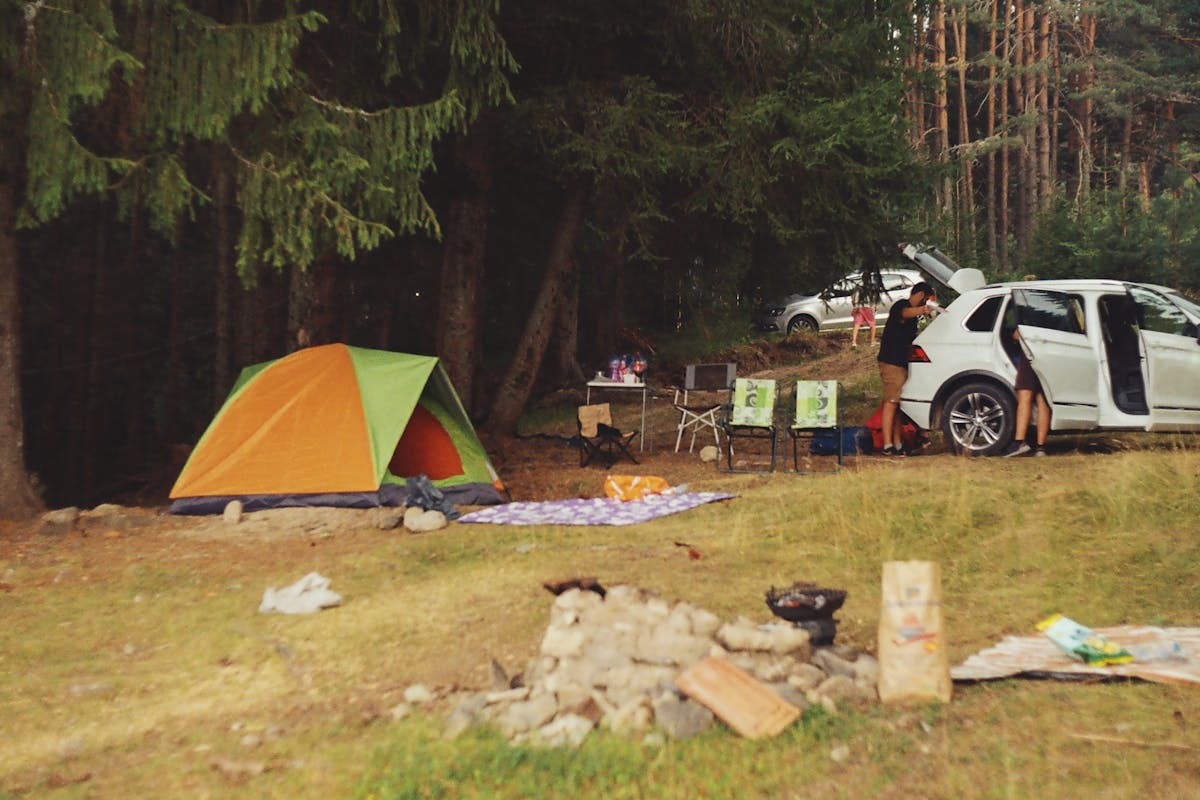
- Choose a campsite with flat, shaded terrain and some privacy from high-traffic areas.
- Always consider safety factors such as wildlife, water hazards, and fire regulations.
- Research nearby activities to keep children engaged and create memorable experiences.
- Balance budget with comfort by comparing fees and included amenities.
- Prepare in advance with a checklist and include the whole family in planning.
Planning a camping getaway with your loved ones is exciting, but choosing the right campsite can make or break the experience. Families have different needs compared to solo campers or adventure groups, so comfort, safety, and convenience should come first. The ideal location should balance outdoor adventure with accessibility and essential amenities. Before you book, it’s important to evaluate several factors that directly affect your family’s comfort and enjoyment.
Selecting the right campsite ensures fewer unexpected problems and more quality time together. From terrain and facilities to nearby activities, each detail contributes to a smoother trip. Below is a practical guide to help you make a confident and informed decision.
Why Location Matters More Than You Think
The location of your campsite sets the tone for your entire trip. While scenic views are appealing, accessibility and safety are even more important for families. A remote wilderness area may sound adventurous, but it could be stressful if you’re traveling with young children. Choosing a family-friendly destination helps reduce risks and ensures everyone enjoys the experience.
When evaluating location, consider travel time and road conditions. Long drives on rough terrain can exhaust children before the trip even begins. Look for campsites within a reasonable distance from your home, especially for weekend trips.
Also consider proximity to essential services. Being near a town, ranger station, or medical facility offers peace of mind. In case of emergencies, quick access to help can make a significant difference.
What Amenities Should a Family-Friendly Campsite Offer?
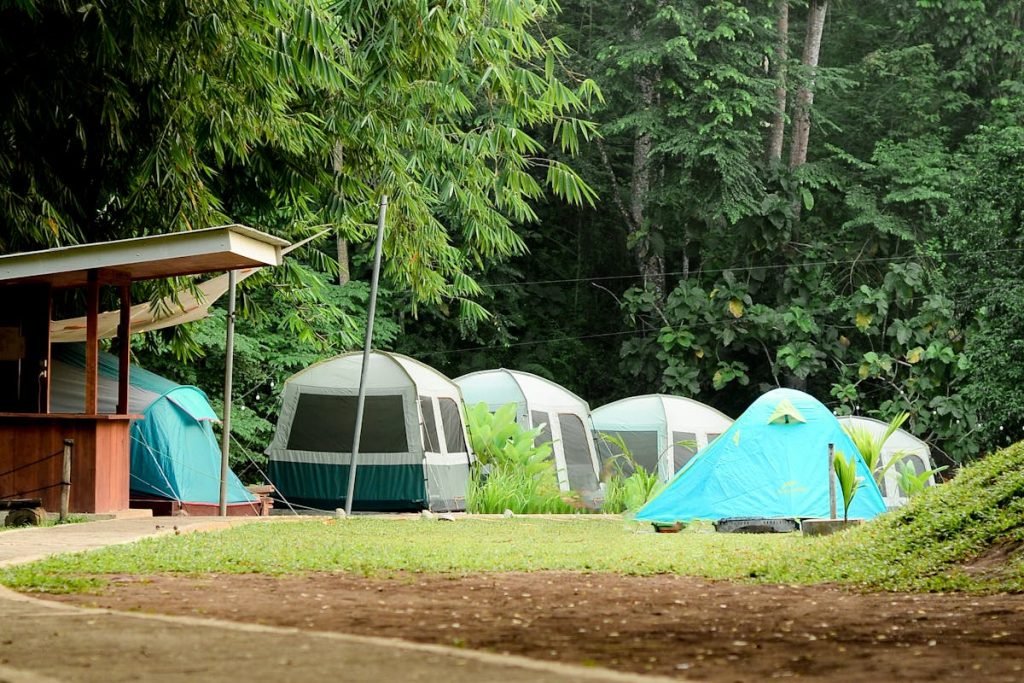
Amenities play a major role in comfort, particularly for families with kids or first-time campers. While some families prefer rustic camping, having access to basic facilities can greatly reduce stress. The goal is to balance outdoor adventure with convenience.
Look for campsites that provide:
- Clean restrooms and potable water
- Designated fire pits and picnic tables
- Shower facilities
- Trash disposal areas
- Well-marked trails
These features make daily routines easier and help maintain hygiene during your stay. Families often appreciate electric hookups if using an RV or needing to charge devices.
Additionally, check if the campground offers playgrounds or recreational areas. Child-friendly amenities can keep kids entertained while adults relax. When researching online, read recent reviews to ensure facilities are well-maintained.
How to Choose the Best Campsite for a Family Camping Trip
Finding the perfect site within a campground requires careful observation. Not all spots offer the same comfort, privacy, or safety level. Even within the same campground, some areas may be more suitable for families.
Start by examining the terrain. Choose a flat, even ground for pitching tents. Sloped or rocky areas can make sleeping uncomfortable and increase the risk of tripping.
Next, consider shade and natural protection. A site with tree cover can provide relief from intense sun and light rain. However, avoid camping directly under unstable branches.
Pay attention to the distance from high-traffic areas. Campsites near restrooms or entrances may be convenient but noisier. A slightly secluded area often provides a more peaceful environment for families with young children.
Is Safety a Top Priority at the Campsite?
Safety should always guide your decision when selecting a campsite. Families must think beyond scenic beauty and consider environmental risks. A safe campsite reduces anxiety and allows everyone to enjoy outdoor activities confidently.
Avoid sites located too close to rivers or lakes with strong currents. While waterfront views are attractive, rising water levels or slippery banks can pose hazards for children. Choose elevated areas that are safe from flooding.
Check wildlife activity in the area. Some campgrounds post warnings about bears or other animals. Make sure there are food storage lockers or clear guidelines for securing supplies.
Fire safety is another important factor. Confirm that campfires are permitted and that fire pits are properly maintained. Following campground rules ensures a safer environment for everyone.
What Activities and Attractions Are Nearby?
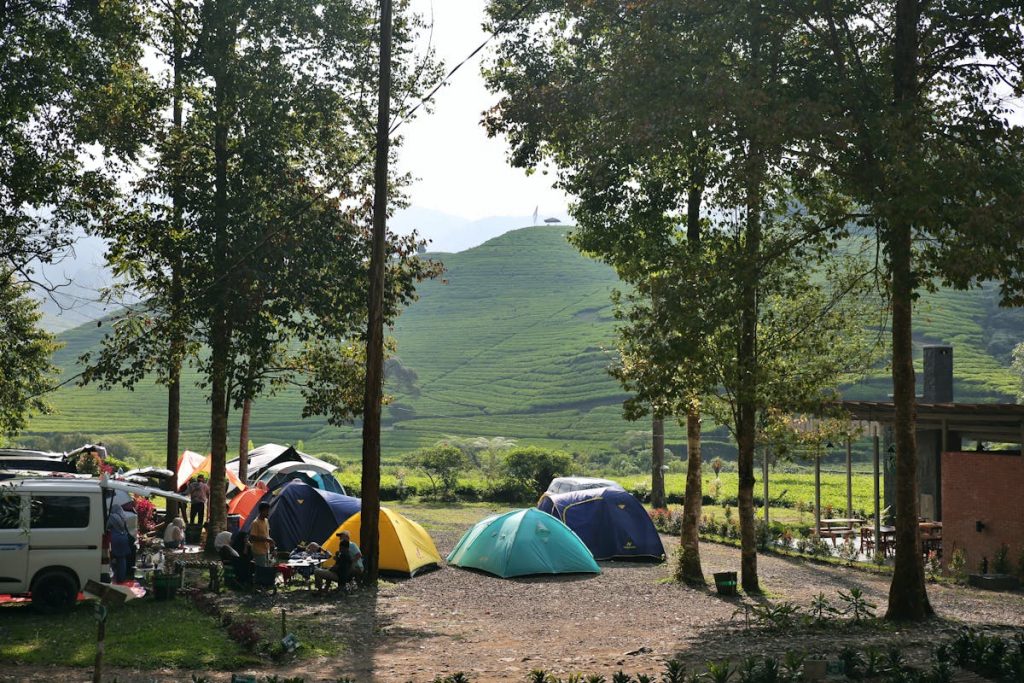
A great family camping experience includes engaging activities for all ages. Before booking, research what the surrounding area offers. Campsites near hiking trails, swimming areas, or educational nature centers can add value to your trip.
Consider activities such as:
- Easy hiking trails suitable for children
- Fishing spots
- Kayaking or canoe rentals
- Guided ranger programs
- Nature scavenger hunts
Having diverse options keeps children entertained and reduces screen time. It also encourages physical activity and learning opportunities.
When planning, align your activity choices with your camping essentials for family needs. For example, if you plan to swim, pack appropriate gear and safety equipment. Preparing ahead ensures a smoother and more enjoyable experience.
How to Balance Budget and Comfort
Budget plays an important role in choosing a campsite, especially for larger families. Prices can vary widely depending on location, amenities, and season. While it may be tempting to choose the cheapest option, consider long-term comfort and convenience.
Compare campsite fees with included amenities. A slightly higher rate may include access to showers, electricity, and organized activities. These extras can enhance your overall experience and reduce additional costs.
Look for discounts or family packages. Many campgrounds offer reduced rates for longer stays or off-peak bookings. Planning early also increases your chances of securing the best spots at reasonable prices.
Final Tips Before Booking Your Campsite
Before confirming your reservation, review campground rules and policies. Check cancellation terms, quiet hours, and pet regulations. Understanding expectations prevents misunderstandings during your stay.
Create a checklist to ensure nothing is overlooked. Confirm reservation dates, campsite size, and vehicle access requirements. If traveling with a trailer or RV, verify space dimensions beforehand.
Finally, involve the whole family in the decision-making process. Let children help choose activities or explore campsite photos online. When everyone feels included, excitement builds long before the trip begins.
Choosing the best campsite requires thoughtful planning, but the effort pays off. With the right location, amenities, and safety measures in place, your family camping trip can become a memorable and stress-free adventure.