Camping Essentials for Family Vacations: What to Pack for a Stress-Free Trip

- Proper planning is the foundation of a stress-free family camping trip—organize gear by category and use a checklist before departure.
- Prioritize shelter and sleeping comfort to ensure everyone gets quality rest and stays energized throughout the trip.
- Plan meals in advance and pack only essential cooking tools to simplify camp food preparation.
- Always include a well-stocked first aid kit and safety equipment to handle minor emergencies confidently.
- Prepare for changing weather with layered clothing and waterproof gear, even if the forecast looks clear.
- Keep kids engaged with simple outdoor activities and organized campsite zones to reduce stress and clutter.
Family camping trips create lasting memories, strengthen bonds, and offer children valuable experiences in nature. However, without the right preparation, even the most scenic destination can turn stressful. From unexpected weather shifts to forgotten gear, small oversights can disrupt an otherwise relaxing getaway. That’s why planning your camping essentials for family vacations carefully is the key to success.
This comprehensive guide walks you through exactly what to pack, how to organize it, and how to ensure comfort and safety for every family member. Whether you’re heading to a national park, beach campsite, mountain retreat, or local campground, this checklist will help you stay prepared and stress-free.
Why Proper Planning Makes or Breaks a Family Camping Trip
Family camping requires more coordination than solo or couples trips. You are managing different needs, ages, preferences, and comfort levels. Children may require additional clothing, entertainment, snacks, and sleep support. Adults often carry the responsibility of cooking, setting up camp, and ensuring safety.
When families skip detailed planning, they often end up improvising. Improvisation in the outdoors can mean uncomfortable nights, poorly cooked meals, or unnecessary trips to the nearest store. Proper planning ensures everyone stays warm, well-fed, and entertained throughout the trip.
Preparation also improves safety. Having the right first aid supplies, lighting equipment, and navigation tools reduces risks significantly. A clear packing strategy turns camping from chaotic to enjoyable, allowing families to focus on bonding rather than troubleshooting problems.
Shelter and Sleeping Gear: How Do You Ensure Everyone Sleeps Comfortably?
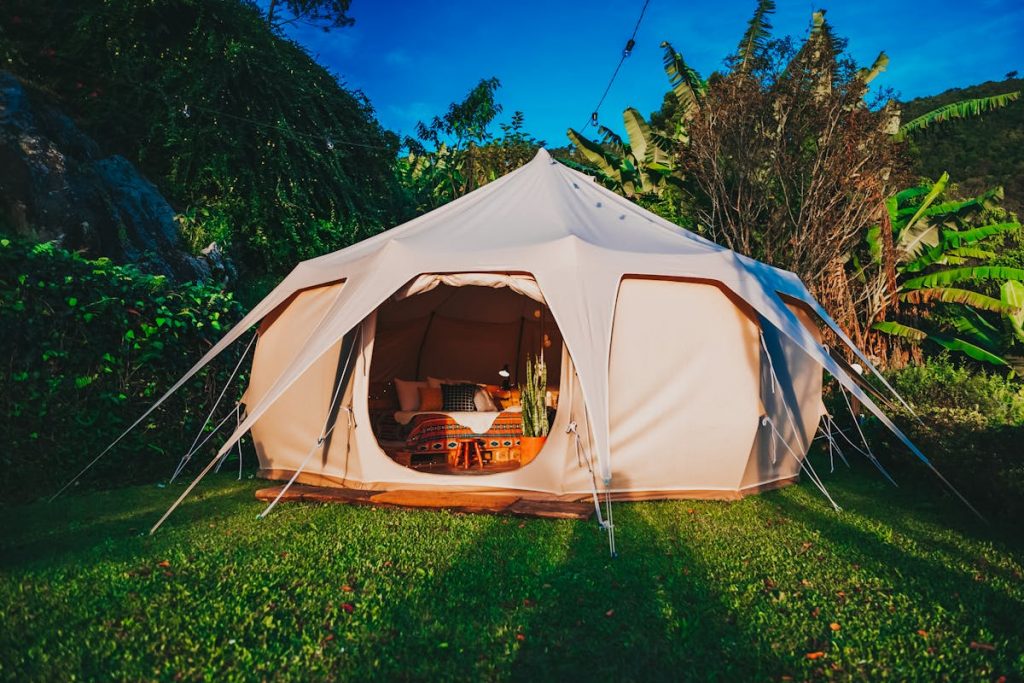
Sleep quality can determine whether your family wakes up energized or exhausted. When camping with children, comfort is especially important. Restless nights often lead to cranky mornings, which can affect the entire trip’s mood.
Investing in appropriate shelter and sleeping gear creates a secure and cozy environment. Consider the season, expected temperatures, and campsite conditions before choosing equipment. Proper insulation, ventilation, and padding make a noticeable difference.
Essential Shelter Items
- Family-sized tent with weather protection
- Tent footprint or ground tarp
- Extra tent stakes and mallet
- Rainfly for added protection
- Pop-up canopy or shade shelter
Choose a tent slightly larger than your family size to allow space for gear storage. Ventilation panels are critical to reduce condensation. Always practice setting up the tent at home before your trip.
Sleeping Comfort Checklist
- Sleeping bags rated for expected temperatures
- Sleeping pads or inflatable mattresses
- Extra blankets for children
- Travel pillows or compact camping pillows
- Portable crib or toddler sleeping solution if needed
Layering blankets works better than relying on one thick sleeping bag. Inflatable sleeping pads add insulation and reduce pressure points. Good sleep ensures everyone remains positive and active during the day.
Kitchen and Cooking Equipment: What Do You Really Need?
Meals are often the highlight of camping adventures. Cooking outdoors can be simple and enjoyable if you pack efficiently. The key is to balance convenience with practicality, avoiding unnecessary bulk while ensuring you have everything required.
Families should plan meals ahead of time. Prepping ingredients at home saves time and reduces stress at camp. Think about breakfast, lunch, dinner, snacks, and beverages for each day.
Core Cooking Essentials
- Portable camping stove or grill
- Propane or fuel supply
- Lightweight cookware set
- Cooking utensils (spatula, tongs, ladle)
- Cutting board and sharp knife
- Biodegradable dish soap and sponge
- Collapsible wash basin
Avoid bringing your entire kitchen. Multi-purpose tools save space. A cast-iron skillet is versatile and durable for campfire cooking.
Food Storage Must-Haves
- High-quality cooler with ice packs
- Airtight food containers
- Resealable bags
- Dry food storage bin
- Trash bags
Proper storage prevents contamination and wildlife encounters. Always store food securely, especially in bear-prone areas. Clean your cooking area thoroughly after every meal.
Clothing and Personal Care: How Much Is Enough?
Overpacking clothing is common, but underpacking can cause discomfort. Outdoor conditions can shift quickly, so layering is the most effective strategy. Plan outfits based on the length of your trip and expected weather patterns.
Choose breathable, moisture-wicking fabrics. Avoid heavy cotton, which stays wet longer. Each family member should have weather-appropriate layers to adapt throughout the day.
Clothing Checklist for Each Family Member
- Moisture-wicking base layers
- Warm mid-layer (fleece or sweater)
- Waterproof jacket
- Extra socks and underwear
- Comfortable hiking shoes
- Sleepwear
- Hat and sunglasses
Pack one extra outfit for children. Unexpected spills or muddy adventures are part of camping fun.
Personal Care Essentials
- Toothbrush and toothpaste
- Biodegradable soap
- Microfiber towels
- Wet wipes
- Sunscreen and lip balm
- Insect repellent
- Hand sanitizer
Maintaining hygiene prevents illness and keeps everyone feeling refreshed. Even short trips require thoughtful personal care planning.
Safety and First Aid: Are You Prepared for Emergencies?
Safety should always be a priority when planning camping essentials for family vacations. Even well-maintained campgrounds present risks such as minor injuries, insect bites, or sudden weather changes. Being prepared reduces panic and ensures a quick response to unexpected situations.
A well-stocked first aid kit is non-negotiable. Families with young children should include child-safe medications and allergy treatments. It’s also wise to familiarize yourself with the nearest medical facility before arrival.
First Aid Kit Essentials
- Adhesive bandages and sterile gauze
- Antiseptic wipes and ointment
- Pain relievers (adult and child-safe)
- Allergy medication
- Tweezers for splinters or ticks
- Thermometer
- Instant cold packs
Check expiration dates before leaving. Store the kit in a waterproof container.
Additional Safety Equipment
- Flashlights or headlamps
- Extra batteries
- Multi-tool or pocket knife
- Whistle for children
- Printed campsite map
- Emergency contact list
Preparedness builds confidence. When parents feel equipped, children feel secure.
Entertainment and Activities: How Do You Keep Kids Engaged?
While nature offers endless exploration opportunities, children may still need structured activities. Planning entertainment reduces screen dependence and encourages creativity. Balance free play with family-oriented games.
Consider the location of your campsite. Lakeside areas allow swimming and fishing. Forest campsites invite scavenger hunts and hiking adventures.
Family-Friendly Activity Ideas
- Board games or card games
- Nature scavenger hunt list
- Binoculars for bird watching
- Sports equipment (frisbee, soccer ball)
- Coloring books or journals
- Storybooks for bedtime
Encourage children to help with camp chores. Setting up tents or gathering firewood teaches responsibility and builds teamwork.
Campsite Organization: How Can You Stay Clutter-Free?
Disorganization is a major source of stress during family camping trips. Without structure, gear becomes scattered and difficult to locate. An efficient organization keeps the campsite functional and safe.
Designate specific areas for cooking, sleeping, and recreation. Keep walkways clear to prevent tripping hazards. Storage bins labeled by category save time and frustration.
Smart Organization Tips
- Use clear plastic bins
- Pack gear by category
- Keep frequently used items accessible
- Hang lanterns for better visibility
- Store shoes outside the tent entrance
A tidy campsite promotes relaxation. It also reduces the risk of losing important items.
Weather Readiness: Are You Prepared for Changing Conditions?
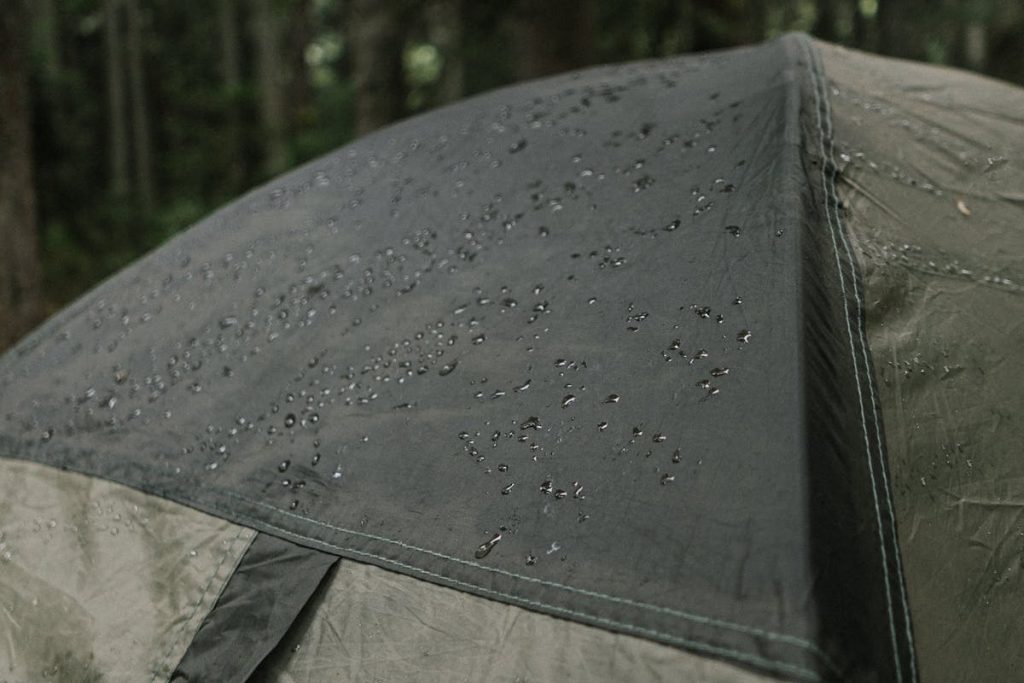
The weather can change rapidly, especially in mountainous or coastal areas. Families must prepare for both sunshine and rain, regardless of the forecast. Unexpected storms can impact safety and comfort.
Check the weather forecast multiple times before departure. Pack gear that accommodates temperature shifts. Waterproofing your equipment ensures longevity and dryness.
Weather-Preparedness Essentials
- Waterproof tarps
- Extra blankets
- Rain ponchos
- Insulated jackets
- Extra tent stakes for wind
- Emergency thermal blankets
Layering remains the most effective strategy for adapting to changing conditions. Staying dry and warm prevents illness and discomfort.
Technology and Navigation: What Modern Tools Should You Bring?
Although camping encourages unplugging, certain technology enhances safety and convenience. Portable power sources ensure phones remain charged for emergencies. GPS devices assist with navigation in unfamiliar terrain.
Balance technology use with the camping experience. Bring tools that enhance safety without dominating family interaction.
Helpful Tech Items
- Portable power bank
- Solar charger
- GPS device or offline map app
- Two-way radios
- Weather alert radio
Download offline maps before leaving home. Limited reception in remote areas can hinder navigation.
Final Pre-Trip Checklist: Did You Cover Everything?
Before heading out, conduct a final review. Double-check reservations, campsite rules, and local regulations. Ensure all gear is packed and tested. Confirm food quantities match the trip duration.
Create a printed checklist and physically mark items off as you pack. Involve children in the process to teach responsibility and ensure personal items are included.
Quick Master Checklist
- Shelter and sleeping gear
- Cooking equipment and food
- Clothing and hygiene items
- Safety and first aid supplies
- Entertainment and activity gear
- Weather protection
- Navigation and tech tools
Preparation transforms camping from overwhelming to rewarding. With the right camping essentials for family vacations, you can focus on laughter, exploration, and quality time.
Conclusion: Enjoy a Stress-Free Family Camping Experience
Camping as a family is about connection, discovery, and shared adventure. While spontaneity adds excitement, preparation ensures comfort and safety. Packing thoughtfully eliminates unnecessary stress and prevents common mistakes.
By organizing gear into categories and planning meals and activities in advance, families can enjoy smoother transitions throughout the trip. Children feel more secure when routines and comforts are maintained, even outdoors.
Ultimately, a well-packed camping trip creates space for what truly matters: storytelling around the fire, morning hikes, and unforgettable memories under the stars.