How to Turn Seasonal Changes Into Beloved Family Traditions
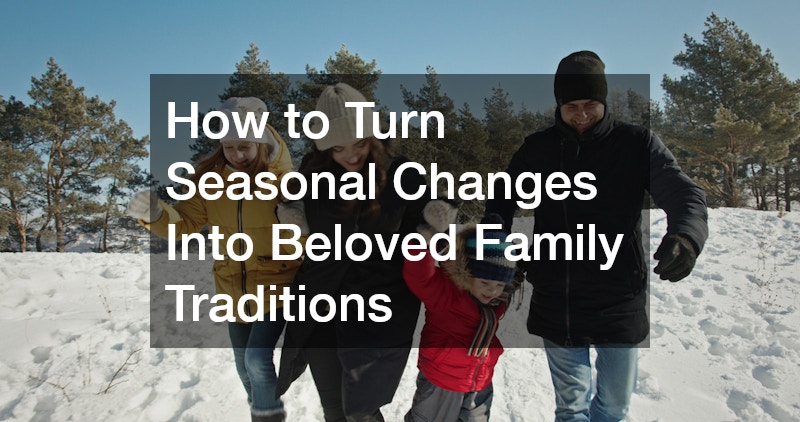

Every season brings its own rhythm—crisp autumn mornings, quiet winter evenings, blooming spring afternoons, and long summer days—yet many families let these natural transitions pass by without marking them in any meaningful way. If you have ever wished your household had more shared rituals, more moments everyone looks forward to, seasonal changes offer a built-in opportunity. With a little planning and intention, you can transform ordinary weather shifts into traditions your children will remember for decades. This guide walks through practical, budget-conscious ways to build those memories around each season of the year.
Marking the Turn of Autumn With Food and Fun

As temperatures drop and school schedules settle in, autumn is a natural time to introduce a recurring family ritual centered on food and togetherness. Many households choose one weekend each October to try a new spot among local restaurants, making it an annual outing everyone anticipates rather than a random errand. Some families narrow the search with a theme, such as trying a new cuisine, a farm-to-table menu, or a cozy diner with seasonal specials like pumpkin pancakes or apple cider donuts.
Rotating who picks the location each year gives kids ownership over the tradition and teaches them to plan ahead. A simple system works best: write each family member’s name on a slip of paper and draw one each September, or let the “picker” role rotate by birth order. Setting a modest budget, say $15 to $25 per person, helps kids research options within realistic limits rather than aiming for the priciest spot in town.
To make the tradition stick, many families keep a small notebook or shared photo album documenting each year’s restaurant, the dish everyone loved, and a rating out of five stars. Over time, this running record becomes as meaningful as the outings themselves, turning a single October dinner into a story the whole family looks forward to revisiting.
On chillier evenings, consider pairing that outing with a visit to one of the dine in movie theaters near you, where a meal and a film happen in the same relaxed setting. Many of these venues offer family-friendly showtimes in the late afternoon, so you can enjoy a seasonal favorite like pumpkin spice waffles or a warm bowl of chili without rushing to make a later screening. Some locations even rotate in autumn-themed menu items for a few weeks each year, turning the outing into something the kids look forward to specifically because it feels tied to the season.
This combination removes the stress of coordinating two separate stops and keeps younger children comfortable since they are not confined to a rigid dinner-then-movie schedule. Booking a table seat rather than standard stadium seating also means less shuffling around with trays and drinks, which matters when you have a toddler or two in tow. If your local theater allows reservations, grabbing a Saturday afternoon slot a week in advance can save you from the disappointment of a sold-out show.
Over time, this becomes the signal that fall has officially arrived in your household. Whether it is the first showing of a new animated release or a rewatch of an old family favorite, the pairing of food and film creates a low-pressure ritual that even reluctant teenagers tend to enjoy. Repeating it around the same weekend each year, such as the first Saturday after the equinox, gives the tradition a recognizable anchor point kids will start asking about on their own.
- Pick a consistent weekend, such as the first Saturday after the equinox, and add it to the family calendar every August so nobody double-books
- Let each family member suggest a restaurant or theater once a year, rotating who chooses so even the youngest gets a turn
- Take a photo at the same spot annually — a favorite porch step or local landmark works well — to track how kids grow over time
- Keep a shared notebook of favorite dishes or films from each outing, noting the date, the pick, and a one-line reaction from each person
- Revisit last year’s notebook entry before heading out, turning the outing into a mini time capsule
- Budget around $20–30 per person for the meal or show so cost never becomes a reason to skip the tradition
Preparing Vehicles and Gear for Winter Storage
Autumn is also the practical season for getting recreational vehicles and gear squared away before winter weather sets in, and turning this chore into a tradition can make it far less tedious. Families who own a camper or trailer often make a ritual out of the annual clean-out, complete with hot cocoa and a checklist the kids help complete. Draining the water lines, checking tire pressure, and wiping down the interior become small competitions rather than dreaded tasks when everyone has a role to play.
Bikes, kayaks, and camping gear deserve the same attention, since rubber seals and canvas tents can crack or mildew if packed away damp or dirty. A yearly “gear inventory night” lets kids try on last summer’s life jackets to see what still fits, while parents note which items need patching or replacing before spring. Keeping a simple log from year to year also helps families track wear and tear, so nothing gets forgotten in a garage corner until the next thaw.
Reserving space in a reliable rv storage unit ahead of the first frost prevents the last-minute scramble that so many households face every year. Facilities fill up quickly once temperatures drop, so booking by early October is a smart target for most climates. Choosing a unit with drive-up access and weatherproofing can also save considerable time and stress when it’s time to pack the vehicle back up for the next season’s adventures.
If your family uses a truck for camping or hauling equipment, this is also the time to inspect and secure a camper shell before it sits unused for several months. Check the seals and weatherstripping around the camper shell for cracks or gaps, since moisture that sneaks in over winter can lead to mold or rust by spring. It’s also worth testing the locks and latches, tightening any loose clamps, and giving the interior a quick sweep to remove crumbs or debris that might attract pests.
Doing a quick maintenance check together, even if it only takes twenty minutes, teaches children the value of caring for shared family property. Assign each child a small task, like wiping down windows, checking tire pressure, or helping label a bin of camping gear, so everyone feels like a contributor rather than a bystander. Older kids can learn to read a tire gauge or check fluid levels, while younger ones can help organize gloves, flashlights, and other seasonal supplies into labeled totes.
Pairing this task with a small reward, like picking the next weekend activity or choosing a movie for family night, helps reframe maintenance as part of the fun rather than a dreaded obligation. Some families even keep a simple checklist taped inside the garage so the same steps become an easy, repeatable ritual every fall. Over time, this shared routine can turn a mundane chore into one more small tradition the whole family looks forward to.
- Clean and dry all gear before storage—damp tents, life jackets, or bike bags are the top cause of mildew and musty smells
- Check seals, latches, and weatherstripping on a camper shell before winter weather arrives, since a small gap can let in moisture or pests all season
- Reserve storage space early, since availability often tightens by mid-fall as other families make the same move
- Note any unit size limits or seasonal discounts when booking, so you’re not scrambling for space in December
- Create a simple checklist so kids can help without needing supervision, breaking tasks into categories like “wash,” “dry,” and “box up”
- Label bins by activity or season so gear is easy to find again come spring
Cozy Winter Nights That Bring Everyone Together
Winter’s shorter days and colder nights naturally push families indoors, which makes it an ideal season for slower, more intentional traditions. Rotating game nights, baking projects, or a weekly movie marathon can anchor the household during months when outdoor activities are limited. The key is consistency rather than complexity; even a simple hot chocolate ritual every Friday evening can become the tradition kids talk about years later.
Many families also use winter to plan ahead for the busier seasons to come, treating these quiet months as a time to reflect on what worked and what did not from the previous year. Involving children in this light planning conversation, even briefly, helps them feel like active participants in shaping family life rather than passive observers.
Spring Renewal Rituals for the Whole Family
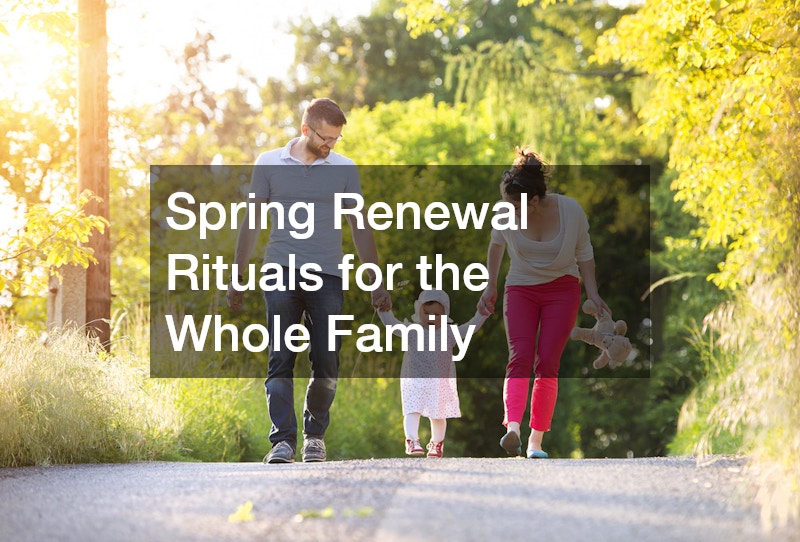
As the weather warms, spring invites a shift from indoor comfort to renewed outdoor activity, and many families mark this with a shared physical activity that everyone can enjoy regardless of age or skill level. Golf works especially well for this because it accommodates a wide range of abilities on the same course at the same time, letting a seven-year-old and a grandparent play alongside one another without either feeling out of place.
Some households introduce younger kids to golf during this season, often starting with casual visits to a course before working up to more structured play. A simple progression might look like putting practice on the green in March, a few holes of pitch-and-putt in April, and a full nine holes by May once the weather stabilizes and daylight hours stretch longer. Lightweight junior clubs, relaxed dress codes on practice greens, and off-peak tee times can make these early outings low-pressure for kids who are still building confidence.
A handful of families with a member belonging to one of the private golf clubs in their area even make an annual tradition of hosting a casual family outing there once the greens open for the season, often timing it to the club’s spring opening weekend when courses are freshly aerated and less crowded. These outings sometimes double as multigenerational gatherings, with grandparents, cousins, and family friends invited along for a shared meal at the clubhouse afterward. Over the years, the outing itself becomes as much the tradition as the golf, marking the first real weekend of spring for everyone involved.
Exploring your own neighborhood or a nearby park by golf cart is another low-effort way to celebrate spring together, particularly for families with young children or grandparents who may tire easily on foot. A quiet Sunday morning drive—say, between 9 and 10 a.m. before temperatures climb—lets everyone enjoy the outing without the discomfort of midday heat or crowds. This kind of leisurely outing works well for spotting blooming trees, checking on community gardens, or simply enjoying fresh air without the physical demands of a long walk.
Consider building a simple route that hits three or four seasonal landmarks: a stretch of dogwoods or cherry blossoms, a community garden plot, a local pond where ducks return each spring, and maybe a farmers market pop-up. Bring a small notebook or phone to jot down or photograph what’s changed since last year, turning the ride into a light nature-journaling exercise for kids. For families with toddlers or grandparents using mobility aids, the golf cart also removes the stress of uneven sidewalks or long distances between rest points.
Making it a recurring weekend activity throughout April and May gives the season its own distinct identity in your family calendar. Some families designate every other Saturday as “blossom patrol,” rotating who gets to pick the route or ride shotgun. Over a few seasons, this small ritual becomes something everyone anticipates, marking the passage of spring as reliably as the flowers themselves.
- Choose one recurring spring activity that suits every age group, such as a neighborhood nature walk, a family bike ride, or planting a small garden bed together
- Rotate responsibility for planning the outing among older children, letting each one pick the date, route, or theme for their assigned year
- Use the activity as a chance to check on neighborhood changes each year, like new blooms, repaired sidewalks, or a favorite tree budding again
- Keep gear, like bikes, gardening tools, or seasonal accessories, organized in one labeled bin so everything is ready within minutes
- Do a quick spring gear check each year, replacing worn shoes, patching bike tires, or restocking sunscreen before the first outing
Summer Adventure Traditions on Land and Water

Summer offers the longest stretch of daylight and the most flexibility for adventurous family traditions, which makes it the perfect season to introduce activities that felt too ambitious during colder months. With sunlight lasting well into the evening, families can pack more into a single day without the usual rush against sunset.
Families near trails or open land sometimes make an annual event out of booking atv rentals for a weekend, giving kids and teens a taste of independence under close supervision. Many rental outfitters offer youth-sized models and require only a short safety orientation, so even first-timers around age eight or ten can participate with a parent riding alongside. Choosing the same trail system each summer adds a comforting sense of ritual, while trying a new location every few years keeps the tradition from feeling routine.
Because this kind of outing usually requires little more than a single afternoon booking, it is easy to repeat every year without much added planning. A little advance prep still helps: reserving ATVs two or three weeks ahead during peak season, packing sunscreen and water, and checking weather forecasts for extreme heat. Pairing the ride with a nearby lake stop or picnic afterward turns a simple rental into a full-day tradition the whole family looks forward to.
For families near lakes, rivers, or coastal areas, summer is also an excellent time to explore water-based traditions. A rigid inflatable boat offers a stable, family-friendly way to explore calmer waters, and its durability makes it a practical choice for households that want to build a multi-year boating tradition without excessive maintenance concerns. These boats typically handle choppier conditions better than standard inflatables while remaining lightweight enough for a small trailer or even car-top transport, which makes spontaneous weekend outings far more realistic.
Starting with short, low-pressure outings helps younger family members build confidence on the water before longer trips are introduced. A first season might include 20 to 30 minute rides near shore, followed by simple activities like feeding ducks from the boat or anchoring in a shallow cove for a swim. As kids grow more comfortable, families can gradually extend trips to half-day excursions, adding traditions like a designated “first swim of summer” spot or a yearly sunset cruise to mark the season’s start.
Safety routines can become part of the tradition itself. Assigning each child an age-appropriate job—checking life jackets, helping tie off at the dock, or keeping a simple trip log with dates and weather—builds responsibility while reinforcing the ritual. Over time, these small, repeated tasks often become the details kids remember most fondly, long after the specific destinations fade from memory.
- Confirm age, weight, and swimming-ability requirements before booking jet skis, tubing, or other powered activities—many outfitters set minimum ages between 6 and 12
- Choose calm water conditions for family boating, aiming for wind under 10 mph and wave heights below one foot when young kids are aboard
- Have every child (and most adults) wear a properly fitted Coast Guard-approved life vest, checked for snug arm and neck fit
- Pack layered clothing, since a sunny 85°F afternoon can shift into a windy, 65°F evening once you’re out on the water
- Bring a dry bag for phones, sunscreen, and snacks to keep essentials protected from splashes
- Document the outing with photos at the same dock or trailhead each year to compare kids’ growth and confidence over time
Making Family Outings Easier With the Right Transportation
One overlooked detail in building lasting traditions is simply getting everyone where they need to go without added stress. Large families or households with young children often find that arranging a local car service for bigger outings, such as holiday dinners or theater nights, removes the burden of parking and coordinating multiple vehicles. This small logistical choice can make the difference between an outing everyone enjoys and one that feels rushed or chaotic.
Relying on dependable local transportation also allows parents to participate fully in the celebration rather than splitting attention between driving and enjoying the moment. Over time, families often notice that outings planned around convenient transportation become the ones repeated most consistently, simply because they involve less friction.
Holiday Travel Traditions That Reduce Stress
For families who travel to see relatives during the holidays, transportation logistics can either support or undermine the tradition itself. Booking one of the reputable airport car services well ahead of peak travel dates helps avoid the last-minute stress of finding a ride during the busiest weeks of the year. This is especially helpful for families juggling luggage, young children, or elderly relatives who need extra time getting through the airport.
Establishing a consistent travel routine, such as always booking transportation a set number of weeks in advance, turns a stressful logistical task into a predictable part of the holiday season. Over the years, this reliability becomes part of the tradition itself, freeing up mental space to focus on the people you are traveling to see rather than the details of getting there.
- Book transportation as early as possible during peak holiday travel weeks
- Confirm pickup times account for security lines and possible delays
- Keep a shared family document with travel details for easy reference
- Build in buffer time so the trip itself does not feel rushed
Documenting Your Seasonal Traditions for Years to Come

Traditions become more meaningful when they are remembered, which is why many families benefit from keeping some form of record as the years pass. A simple photo album, shared digital folder, or even a family group chat dedicated to seasonal outings can preserve details that would otherwise fade. Reviewing these records together each year, especially right before the season repeats, helps children see how the tradition has grown alongside them.
This documentation does not need to be elaborate to be effective. A short note about what worked, what the kids enjoyed most, and what to change next time is often more useful than an overly polished scrapbook. The goal is simply to create a low-effort habit that keeps the tradition consistent and easy to plan year after year.
Involving Neighbors and Extended Family in Seasonal Celebrations
While immediate family traditions are valuable on their own, inviting neighbors, cousins, or grandparents to join occasionally can deepen the sense of community around each seasonal ritual. A yearly fall gathering, spring outing, or summer adventure becomes richer when shared with people outside the immediate household, especially for children who benefit from seeing extended relationships modeled consistently. This does not require a large event; even a small addition to an existing tradition can have a meaningful impact.
Setting simple expectations ahead of time, such as who is responsible for which part of the outing, keeps larger gatherings manageable rather than overwhelming. Over time, these expanded traditions often become the ones extended family members mention first when reflecting on shared memories.
Turning seasonal changes into lasting family traditions does not require elaborate planning or a large budget, just consistency and a willingness to repeat what works. Start small by choosing one seasonal ritual this year, whether it is a favorite autumn outing, a spring activity, or a simplified holiday travel routine, and build from there. As you refine these habits year after year, they will naturally become the moments your family looks forward to most. The next step is simply choosing one season to begin with and putting it on the calendar today.